
Sowing Seeds of Resistance: Pushing Back Against Air and Water Pollution in the Coachella Valley’s Lowest Income Communities

Madeline Cortez, Development Manager at Leadership Counsel for Justice and Accountability
The thing about a seed is that it starts out small, appears inanimate and unimposing, yet grows into something undeniable, living, and life-generating.
When a group of residents from the disadvantaged community of Thermal, California came together to advocate for safe communities with clean air and water, they chose the name “Semillas de Resistencia” – seeds of resistance – as they prepared to stand up to powerful developers and local decision-makers that have historically approved polluting projects as a matter of course.
Semillas de Resistencia is now challenging a deeply flawed environmental impact report for a proposed equestrian center and luxury development that will generate up to 140,000 pounds of manure and induce up to 21,000 vehicle trips per day in their neighborhoods.
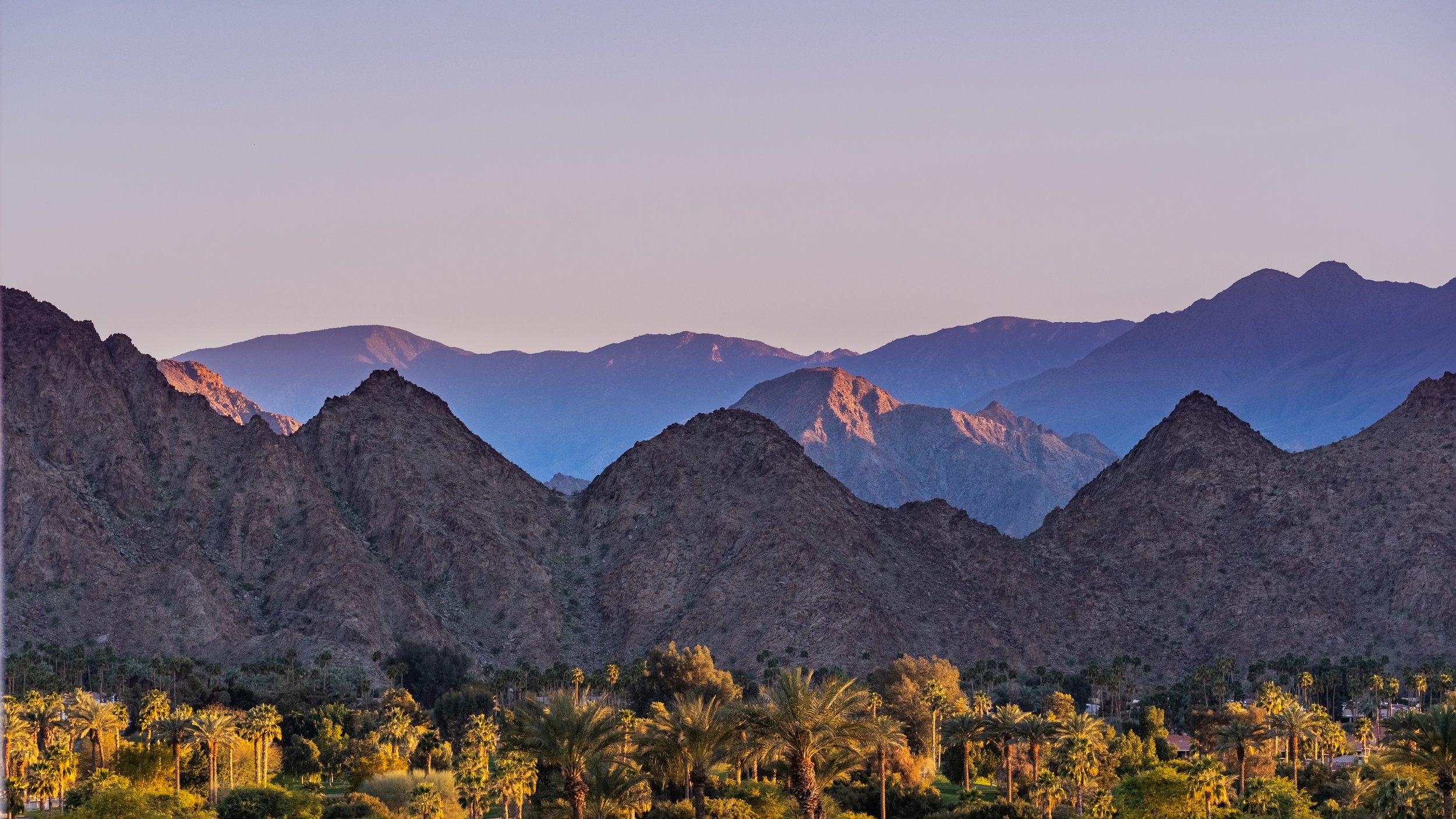
Coachella Valley temperatures can reach as high as 120 °Fahrenheit.
Thermal is a predominantly low-income, unincorporated community in the Coachella Valley, a region where the climate crisis is felt extremely disproportionately between rich and poor. While its wealthiest zip codes are lined with desert resorts, golf courses, and luxury communities, the valley is also home to some of the state’s lowest income neighborhoods facing ongoing legacies of disinvestment, disproportionate pollution, uninhabitable housing conditions, polluted drinking water, and an unbearable extreme heat burden in the desert’s many triple-digit days.
As one example, the water system at Oasis Mobile Home Park in Thermal was polluted with almost ten times the legal limit of arsenic at one point, causing a range of life-threatening health issues to residents who had unknowingly consumed the water long-term. The mobile homes themselves at this park lack adequate insulation and cooling mechanisms to combat the intense heat of the desert, leaving farmworkers no respite after long workdays under the sun.
Against the backdrop of these challenges, a series of luxury developments for the ultra-rich (including one resort community with a groundwater-sourced surfing lagoon in the middle of the desert) have been proposed in Thermal. The most recently approved lavish development was Thermal Ranch: a sprawling, 619-acre mixed use development centered around an equestrian center containing 2700 horse stalls, with the project anticipated to generate up to 140,000 pounds of manure per day and inducing over 21,000 vehicle trips per day at peak operation. Nearby, the existing homes, a small mobile home park, and two schools will bear the disproportionate brunt of associated pollution.
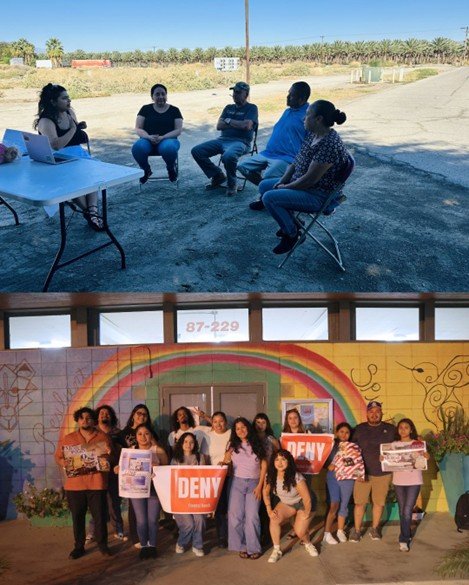
Pictured: Semillas de Resistencia
The community has nevertheless demonstrated resilience and strength. Some of the same community leaders who are now driving Semillas de Resistencia forward were integral in successfully securing $30 million from the California state budget to support relocation from the uninhabitable Oasis Mobile Home Park in 2021, for example. They remain undeterred now. Leading up to the approval of Thermal Ranch, Semillas tirelessly appealed to their local community council, planning commission, and finally to the Riverside County Board of Supervisors to raise their concerns about the project’s impacts on their air, water, and overall quality of life. This journey involved impromptu outdoor strategy meetings in the heat of the day, mass mobilizations to local decision-making bodies, media coverage, protest signs, and public comments.
After Riverside County certified the Thermal Ranch environmental impact report despite Semillas’ concerns, the group filed a lawsuit challenging the County’s approval of Thermal Ranch. The demand alleges that the environmental review of the project as required by the California Environmental Quality Act was deficient and failed to address the many significant impacts the project would impose on the nearby school, homes, and neighborhoods. These deficiencies include a failure to adopt feasible mitigation measures to avoid air quality impacts associated with up to 21,000 daily vehicle trips and the lack of an enforceable mitigation measure to implement a manure management plan to safely dispose of 140,000 pounds of manure per day.
Now that the lawsuit has been filed, Semillas continues to meet regularly to strategize and create the community they deserve, and every day the valley gets a little hotter now that spring has arrived. But as Thermal residents can attest, the right kind of seed will grow even in the most arid regions of the desert.
——
Semillas de Resistencia is represented by Leadership Counsel for Justice and Accountability alongside our co-counsel, Chatten-Brown Law Group. Leadership Counsel works to fundamentally shift the dynamics that have created the stark inequality that impacts California’s low-income, inland and rural regions. Based in the San Joaquin and Eastern Coachella Valleys, we work alongside the most impacted communities to advocate for sound policy and eradicate injustice to secure equal access to opportunity regardless of wealth, race, income, and place. For more information or to support our work, visit leadershipcounsel.org.