
When the Power Went Out, the System Failed: A Disability Rights Case in San Antonio
Stephanie Duke, Supervising Attorney and Disaster Resilience Coordinator, Disability Rights Texas
When winter storm Uri knocked out the power in Rodney's Texas home, his ventilator stopped working. For four days, he sat in the dark, wondering if he would survive. Rodney had no heat, no food, no water, and no way to get out of his cold apartment. There was no coordinated outreach, and no meaningful way to ask for help in real time. Like many Texans with disabilities, Rodney was left navigating this disaster alone.
The systems meant to protect him had failed.
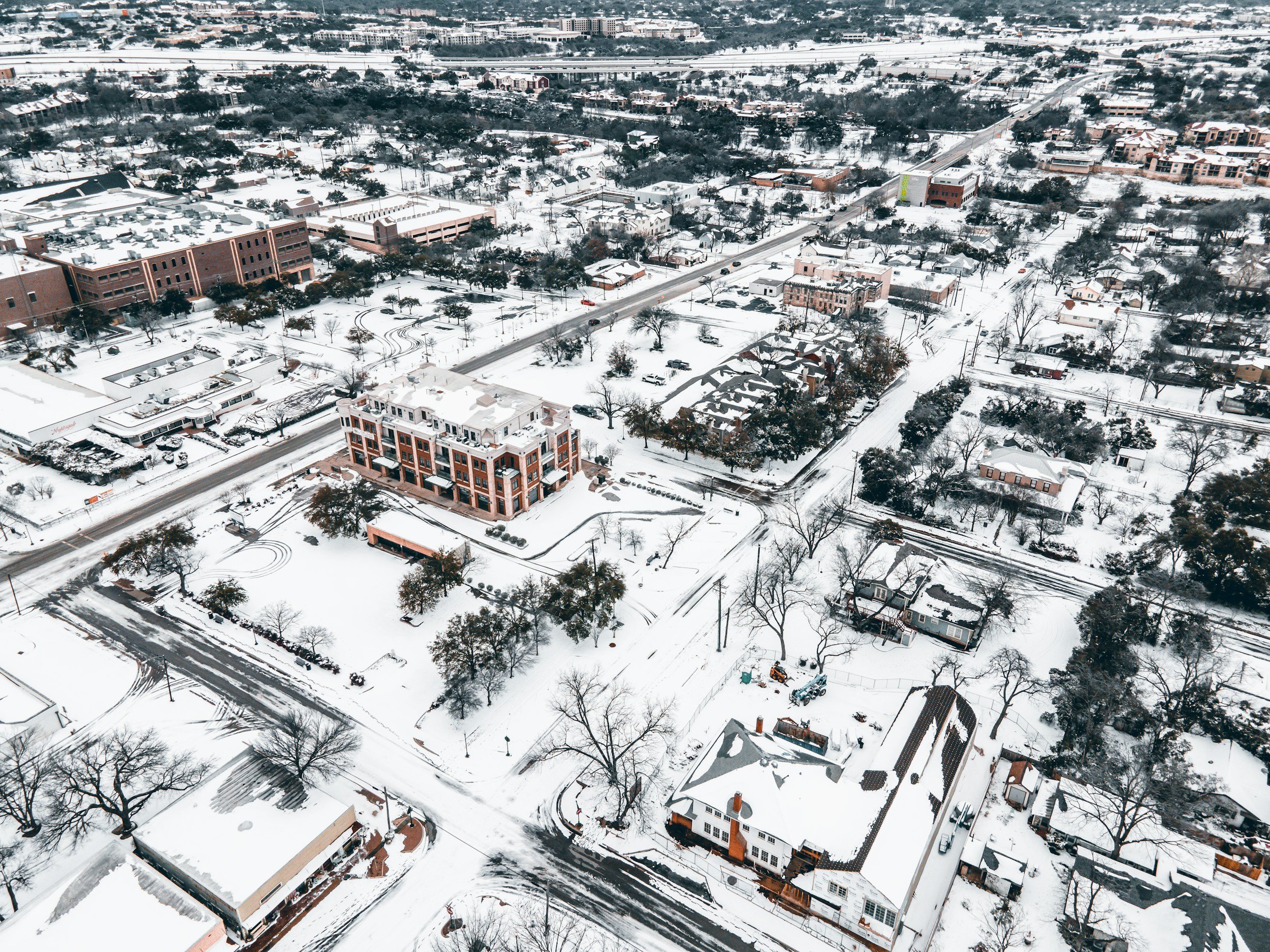
Winter storm Uri caused massive damage and impacts across United States, Canada, and Mexico in February 2021.
Disasters are, by definition, abnormal conditions; but ignoring foreseeable risks, and the people most at risk, is discrimination. At Disability Rights Texas (DRTx), we represented individuals like Rodney in a case against the City of San Antonio challenging the city’s ad-hoc approach to protecting citizens with disabilities from natural disasters.
Equity must have intent. Systems that are supposed to protect lives must be intentionally designed to ensure people with disabilities have equal access, especially during disasters.
The Hidden Inequity in Disaster Planning
Disasters start and end locally. Local and state governments are responsible for protecting people during disasters, primarily through Emergency Operations.
The plans often look comprehensive on paper. They involve dozens of agencies coordinating everything from sheltering to evacuation to emergency communications. But too often, these plans fail to account for people with disabilities in meaningful ways.
What does that mean in practice?
1. Shelters are not accessible;
2. Emergency alerts and communications are not usable for people with sensory disabilities;
3. Evacuation plans assume everyone can drive or leave independently;
4. Outreach and education on preparedness and resources is not inclusive of disability-related needs; and
5. People with disabilities are excluded from the planning process altogether.
These gaps are the result of systems built without the voices of those most at risk. And when disasters strike, those gaps turn into life-or-death consequences, like they did for Rodney.
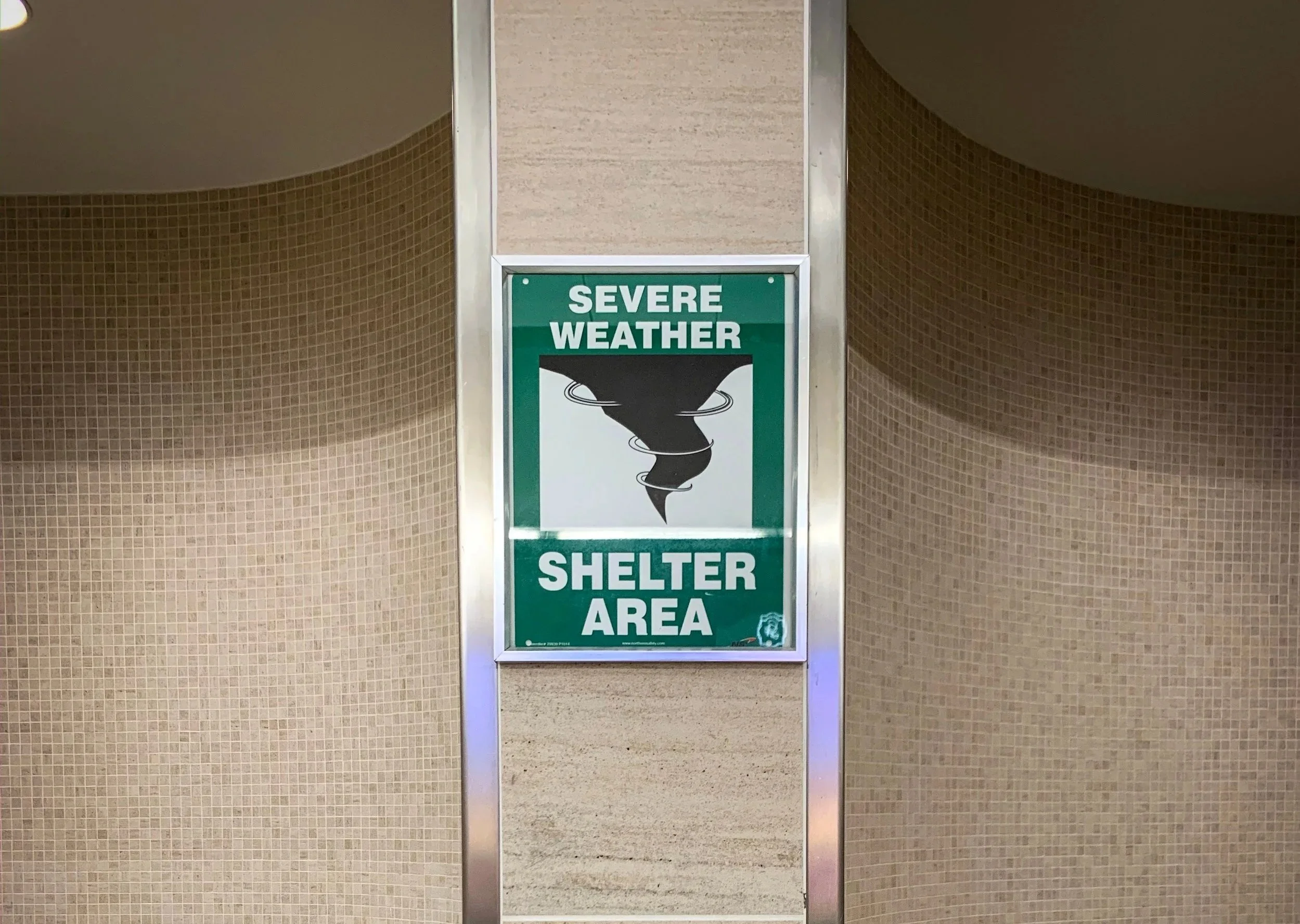
“Alarmingly, the City fully admits...that its shelters can generally accommodate persons with functional needs if they require ‘minimal care,’ and are attended by their families or caregivers.” - DRTx’s complaint
Lived Experience
In the San Antonio case, the most powerful evidence didn’t come from policy documents. It came from our clients, people like Rodney. Our clients described what it feels like to be invisible in an emergency - the fear of being left behind. The frustration of knowing help existed, but wasn’t accessible.
That lived experience reframed the issue. This was about civil rights as well as emergency management, and thus DRTx filed the lawsuit.
Victory!
After two years, we have achieved a major victory: the City of San Antonio significantly revised its Emergency Operation Plan to consider the needs of residents with disabilities.
Highlights of the revised, inclusive plan include:
Accessible emergency communications, transportation, and sheltering in all future emergencies;
Involvement and engagement with people with disabilities and disability-led organizations in planning and mitigation efforts for disasters and emergencies;
Identified staff to focus on disability and access functional needs within Emergency Management; and
Provision of inclusive outreach and education on disability related needs in a disaster.
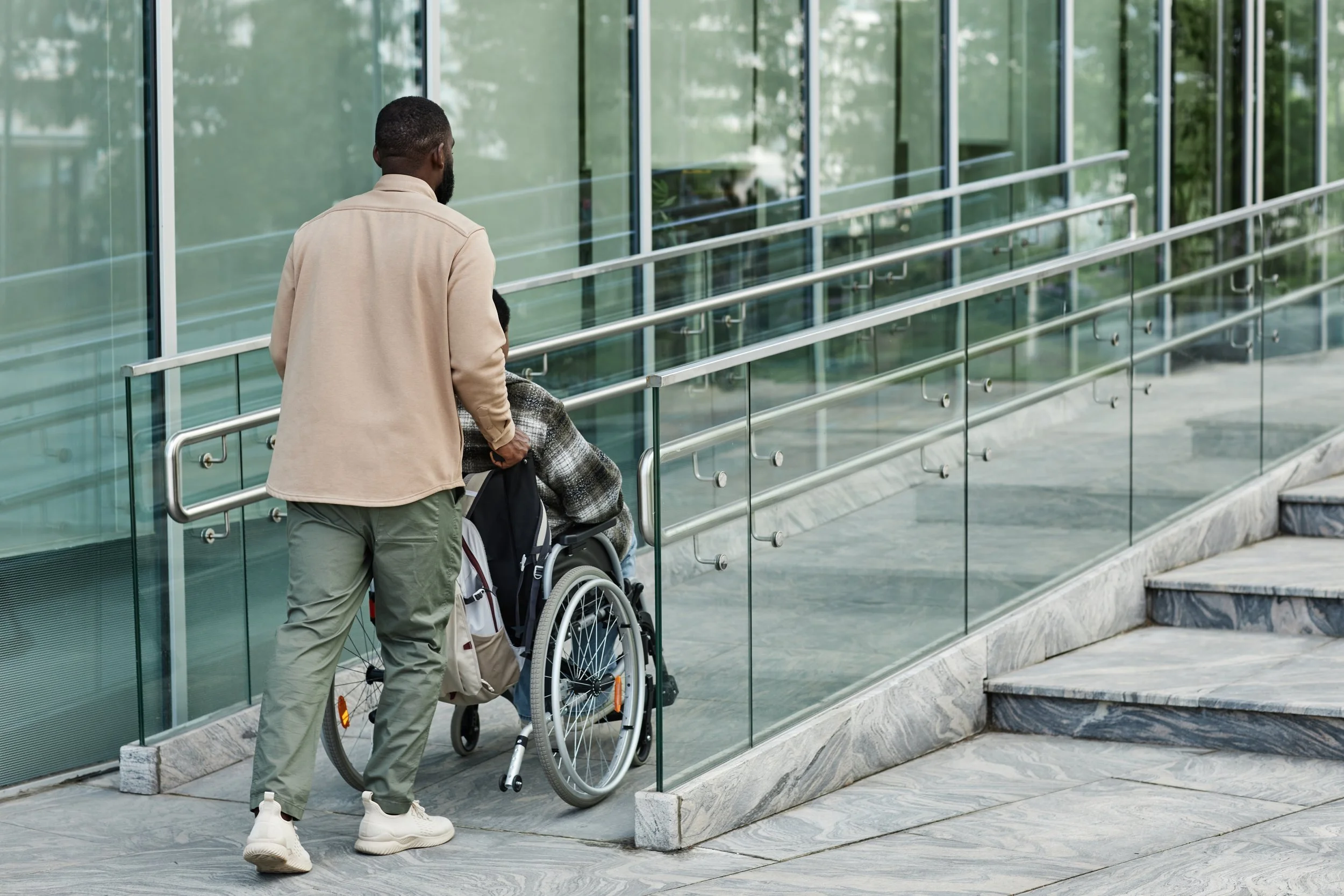
Accessible shelters make a community more resilient to natural disasters.
Because inclusion means that a whole community can survive natural disasters, an approach that prepares for the consequences of any natural disaster – as opposed to an approach that only prepares for specific threats – is required. This approach will create more effective emergency management and better build resiliency in our most vulnerable communities.
Disability Rights Texas’s result from the lawsuit helps the entire community.
The Bigger Picture
Disasters are increasing in frequency and severity. At the same time, the population of people aging and living with disabilities is growing.
Yet, we continue to ignore the predictable risks people with disabilities face. Building resilience requires acknowledging who gets left out in the process and improving the systems for a more equitable outcome.
Equitable systems have to be intentionally designed to work for everyone. Systems that exclude are not excluding accidentally –they were designed that way. This is glaringly apparent with disaster planning, where systemic exclusion is explicitly life-threatening.
What’s Next?
If there’s one takeaway from this case, it’s this: planning without inclusion is planning for failure. We have the data. We have the lived experiences. We have the legal framework. Now, as a society, we need to commit to creating systems that serve everyone.
Because Rodney, and the hundreds of thousands like him, deserve to live through natural disasters.