
Survivors, Veterans, and Truth-Tellers: The Plaintiffs of Farrell v. Department of Defense
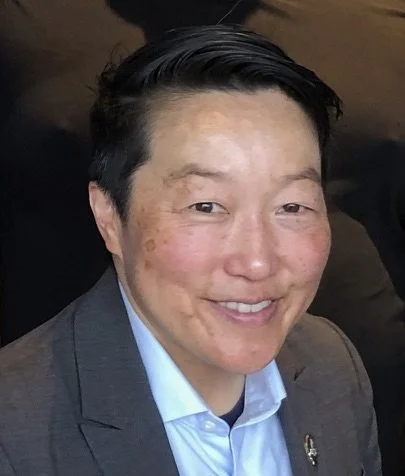
Jules Sohn, named plaintiff in Farrell v. Department of Defense
We—Sherrill Farrell, Jules Sohn, Hayden Powell, Lilly Steffanides, and James Gonzalez—represent thousands of people who were forced out of the United States military for being Lesbian, Gay, Bisexual, Transgender, or Queer. We represent talented, dedicated servicemembers who were told we were unfit to serve—not because of our performance, our commitment, or our courage—but because of who we are and who we love.
Each of us is a survivor in our own way.
We served across every branch of the military. Sherrill and Lilly served in the United States Navy. James is an Army veteran. Hayden was in the Air Force. I, Jules Sohn, served in the Marine Corps. Yet for years, many of us did not feel we could call ourselves “veterans.” Because we were discharged under policies that criminalized our identities—often with “other than honorable” or similar discharges—we were denied not only benefits, but dignity.
Through the extraordinary persistence and commitment of the Impact Fund, the California Women’s Law Center, Legal Aid at Work, King & Spalding, and Haynes and Boone, Farrell v. Department of Defense has changed that. Because of this case, we can now say, unequivocally, that we are veterans. And for many of us, there is finally a pathway to discharge upgrades and access to the benefits we earned through our service.
Hayden Powell’s experience reflects the cruelty of these policies with painful clarity. Hayden was discharged from the Air Force at her very first duty station after her base sponsor revealed that she was a lesbian. She was accused of committing a “homosexual act” and treated like a criminal—despite having done nothing wrong. That discharge followed her for decades, preventing her from accessing any Department of Veterans Affairs benefits. Hayden’s courage in lending her voice to this case has helped open the door to justice for countless others.
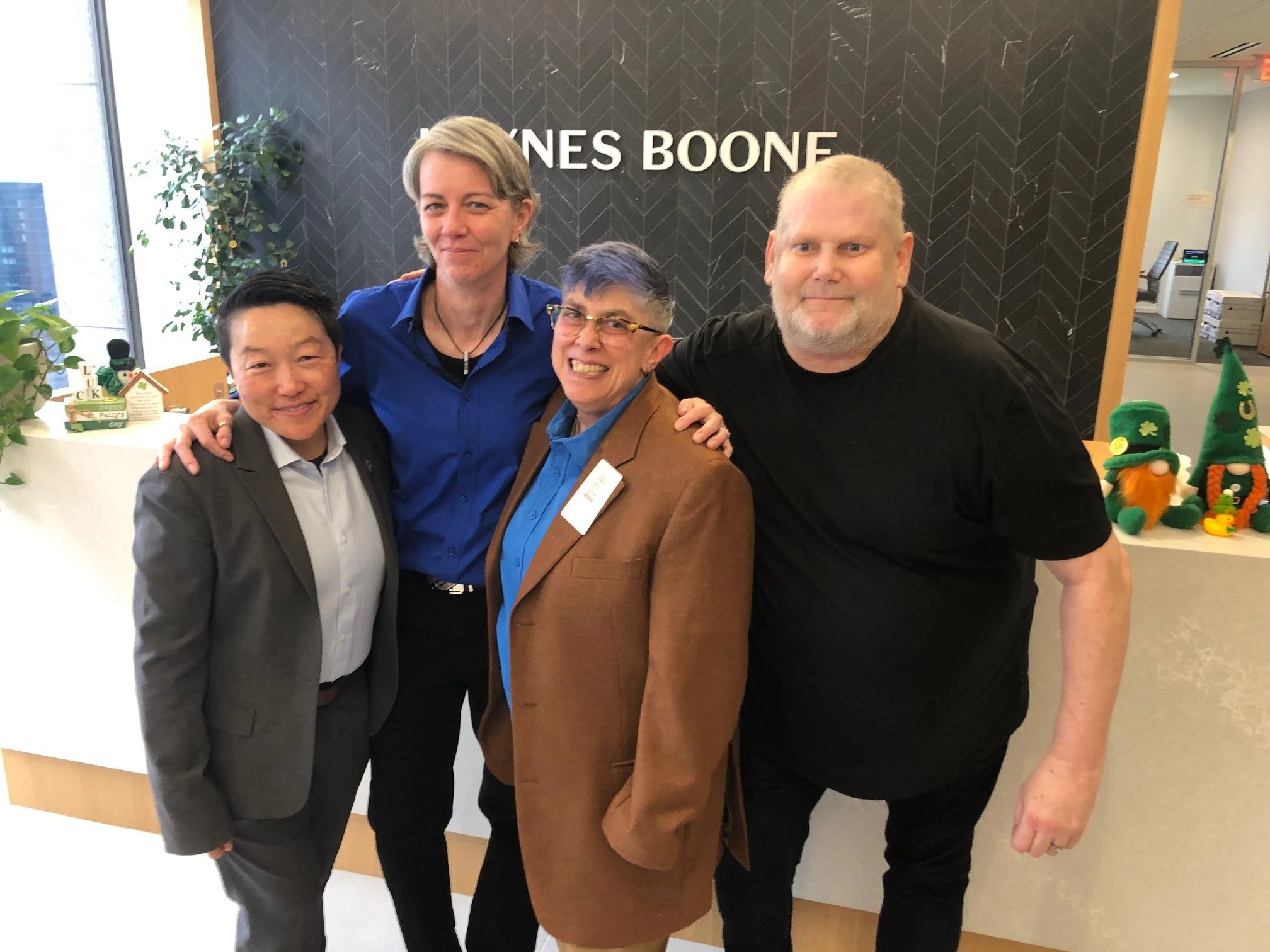
Plaintiffs Jules, Hayden, Sherrill, and Lilly.
James Gonzalez served his country in the United States Army, only to be cast aside under policies that punished honesty and identity. Like so many LGBTQ servicemembers, James’s discharge cut off access to benefits, stability, and support at a moment when he needed them most. By standing with us in this case, James represents the many veterans who carried the weight of exclusion and loss long after their service ended.
Lilly Steffanides was in the Navy and endured some of the harshest consequences of these discriminatory policies. Lilly spent time in the military jail (the Brig) simply for being who she was. That experience left deep and lasting scars, yet Lilly continued to fight. She lent her name and her story to this case so that others might be spared similar harm. Lilly passed away recently, but she was able to see some measure of justice before she died. In her honor, we continue this fight committed to the greater good.
Sherrill Farrell was discharged from the Navy for being a lesbian. Years later, she worked for the Texas Department of Public Safety, issuing driver’s licenses—some of them bearing the proud designation “veteran.” Because of her discharge status, Sherrill herself was barred from receiving that recognition. Through this case, she recently received an honorable discharge and was finally able to hold a driver’s license that reflects her service.
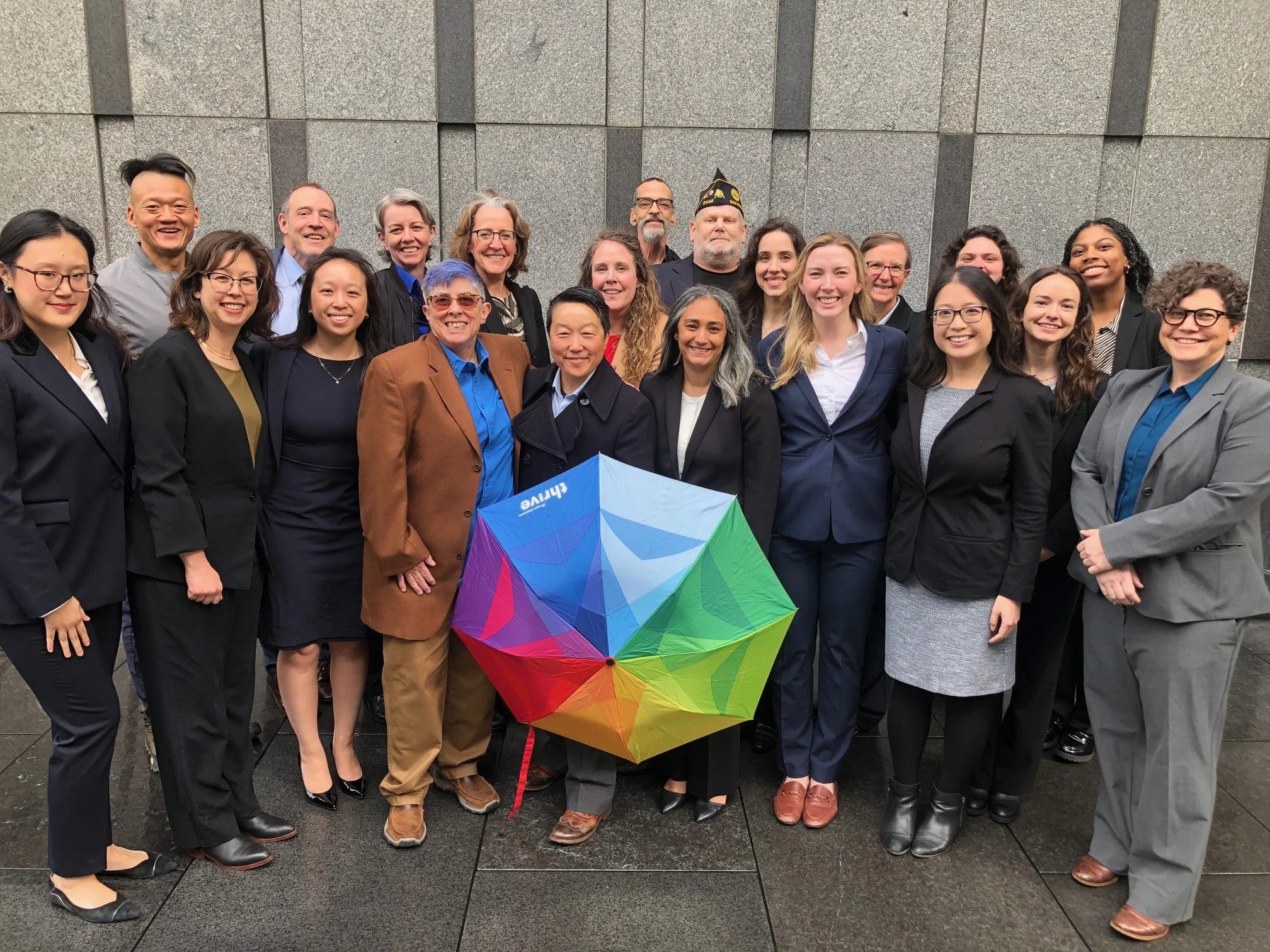
Plaintiffs, friends, and legal team celebrate their victory outside the courtroom.
I am Jules Sohn, a Marine Corps veteran. Like the others, my discharge carried lasting professional, personal, and emotional consequences. For many of us, our discharge paperwork explicitly labeled us as “homosexual,” permanently outing us to employers and institutions whenever we were required to share proof of service. A less than honorable discharge erased our service on paper and locked us out of healthcare, housing assistance, and other VA benefits.
The consequences of these policies were devastating. Many LGBTQ veterans faced homelessness, addiction, and post-traumatic stress disorder after being discharged. We lost careers, communities, and stability. In some cases, we lost hope. Yet we survived. And we made a deliberate decision to lend our stories and our voices to those who could not.
After experiencing profound personal loss, including the sudden death of a twin sister, purpose emerged for some of us through this fight. When the call went out seeking people discharged from the military for being LGBTQ+, we answered—not just for ourselves, but for the thousands who were never able to come forward. Many carried discharges marked “homosexual,” a word that followed them for decades and permanently exposed them to discrimination. Many were denied every benefit promised to those who serve.

Sherrill Farrell’s corrected discharge form. Justice is served!
We all swore an oath to protect and defend this country against all enemies, foreign and domestic. We understood sacrifice. We believed in service. For many of us, the military was not just a job—it was a calling. Yet we were told we were not good enough, not because we could not do what was asked of us, but because of who we are.
Today, because of the Farrell v. Department of Defense settlement, there is a clear pathway for LGBTQ servicemembers to upgrade and correct their discharges. In a time of uncertainty and challenge, this case represents accountability, recognition, and a measure of justice long denied.
We are grateful to the Impact Fund and its partners, and to every veteran who stood with us. We have shed blood, sweat, and tears together. And we will continue to fight—for dignity, equality, and the truth that our service always mattered.