


Daniel Newsbit, Law Fellow
The Impact Fund is thrilled to announce that the application process for grants for strategic litigation under our Clean Water Project is now open!
As we described in our announcement, the aim of the Clean Water Project is to support advocacy for clean water in the San Joaquin Valley. A crucial component of this effort is to fund litigation that could make a difference in this fight. Starting today, we are now ready to take the next step for this aspect of the project by opening up the application process in order to support the important environmental justice work of our allies.

If you are acquainted with the Impact Fund's existing grant program, you will find the process for a grant under the Clean Water Project familiar. In fact, the process is the same, but with the additional requirement that the grant will seek to improve clean water access for communities of at least 250 residents in the San Joaquin Valley. You can review the basics of our grant criteria here.
Our upcoming fall and winter deadlines are as follows:
Fall 2018
Letters of Interest due: July 10, 2018
Applications due: August 7, 2018
Notifications: mid-September
Winter 2018
Letters of Interest due: October 9, 2018
Applications due: November 6, 2018
Notifications: mid-December
To apply, please review the instructions here.
If you have any questions, please reach out to Daniel Nesbit.
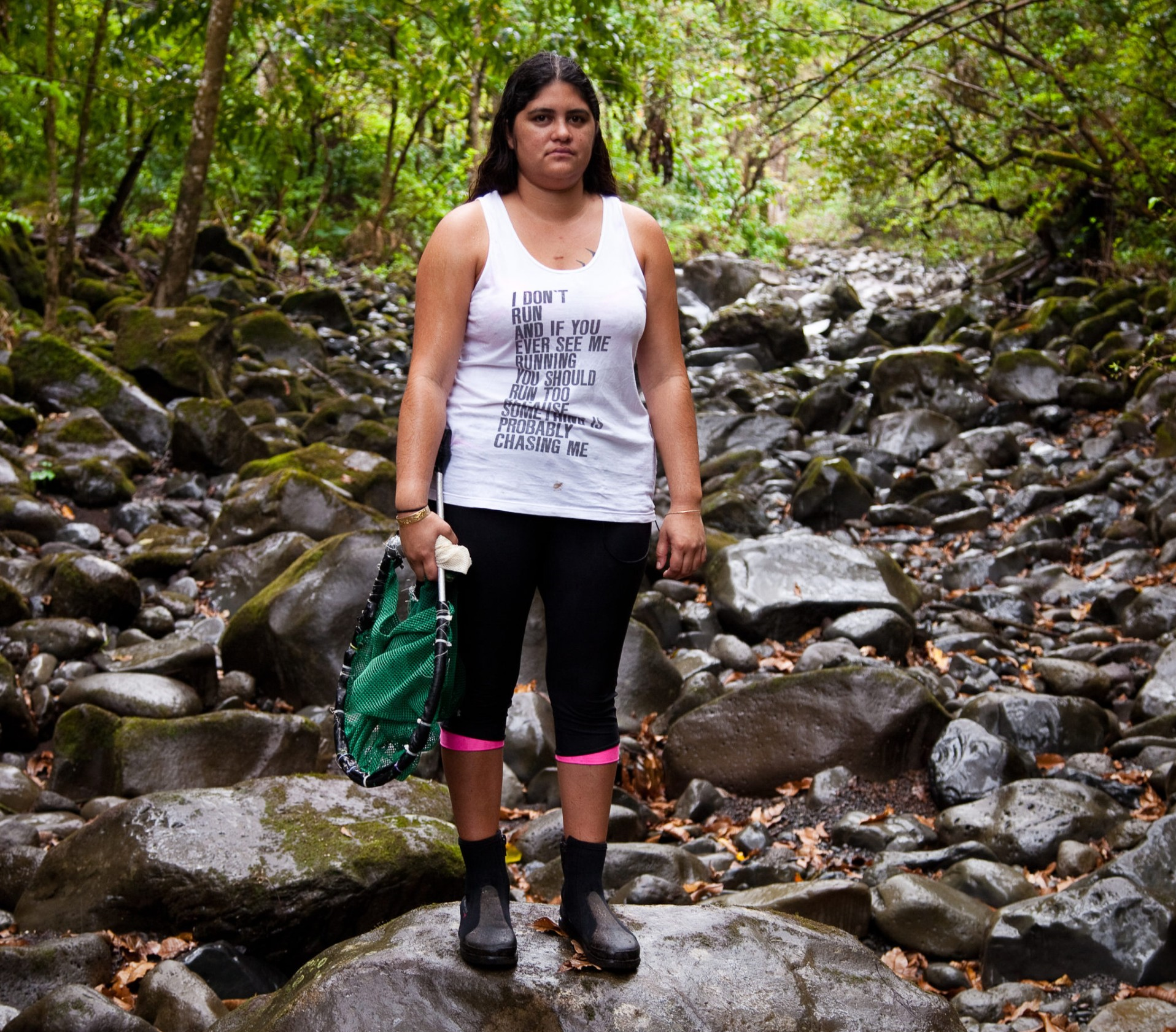
Accessible by only a windy, two-lane highway, eastern Maui’s rural community is known for its abundant rains, rich forests, and dozens of streams, with verdant valleys and gulches that have sustained Native Hawaiians like Healoha and her kūpuna (ancestors) for centuries.
Over time, the impacts of water diversions on the environment and on Native Hawaiian cultural practices in east Maui have been devastating. Streams completely dried out. Plants and animals that live in the streams died. Native Hawaiian families lost the means to continue traditional farming and gathering practices critical to maintaining culture and sustaining their foodways.

For many, Hawaiʻi means a vacation filled with relaxation, pristine warm beaches, and an escape from the stress of our daily lives; a time to enjoy all the beauty the islands have to offer. But for those who live in Hawaiʻi, there is no denying the realities of how climate change is affecting the islands and changing the environmental landscape. These changes motivated thirteen youth from across the Hawaiian Islands to act and hold their government accountable for actively contributing to the climate crisis. With strong constitutional and statutory provisions, as well as their desire to protect their lives and the islands that they love, the youth plaintiffs were set up for success in the courts.
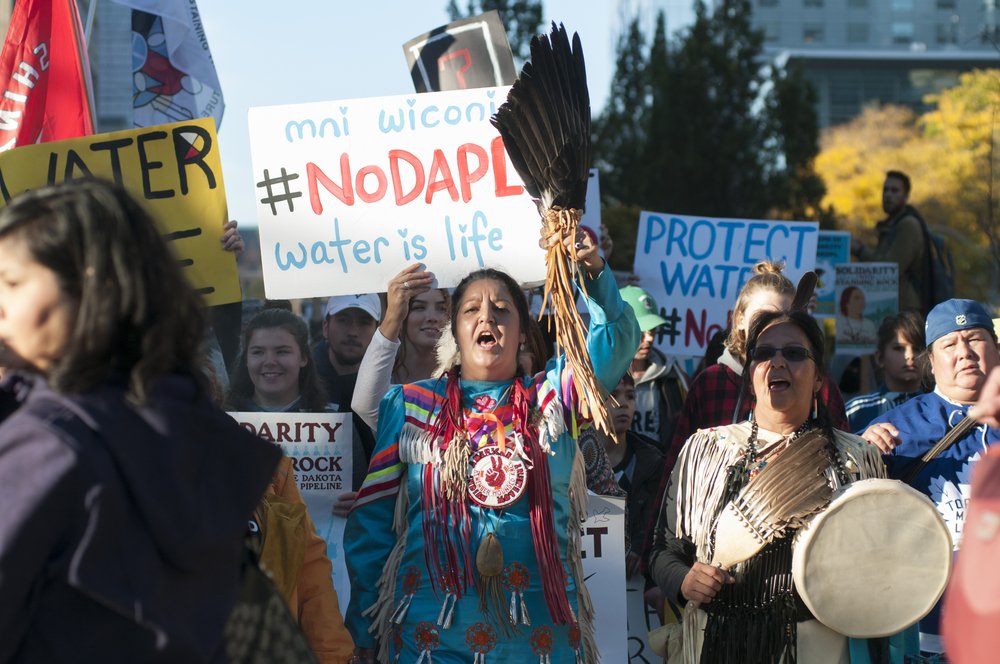
The Dakota Access Pipeline and the conflict over its controversial crossing of the Mississippi River is much further from the spotlight in 2023 as it was in 2016. Despite the lack of media attention, this issue is far from resolved – and a crucial deadline in the resolution process is rapidly approaching. On October 13, the environmental review public comment period will come to an end. Please consider writing to the U.S. Army Corps of Engineers calling for further environmental safeguards or a complete stoppage of the Dakota Access Pipeline before that deadline.
To write-in click here!
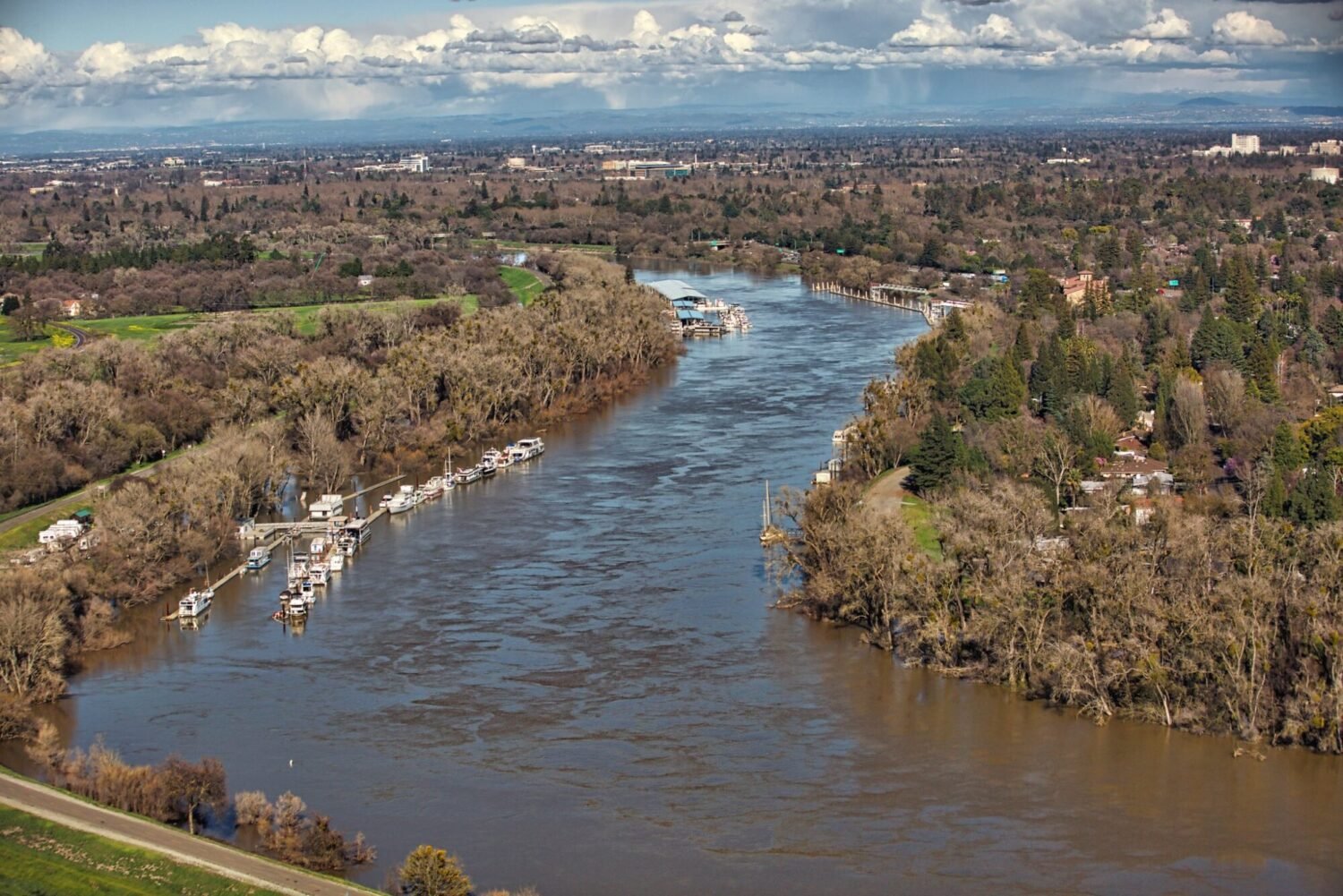
Following a successful enforcement action by California Coastkeeper Alliance, Sacramento County is now required to repair its outdated sewage system, which has caused multiple sewage overflows over recent years. The County has agreed to invest $100,000 annually toward eliminating sewage discharge through assessments and inspections, cleaning the sewage lines, and repairing or replacing lines that experience repeat stoppages.
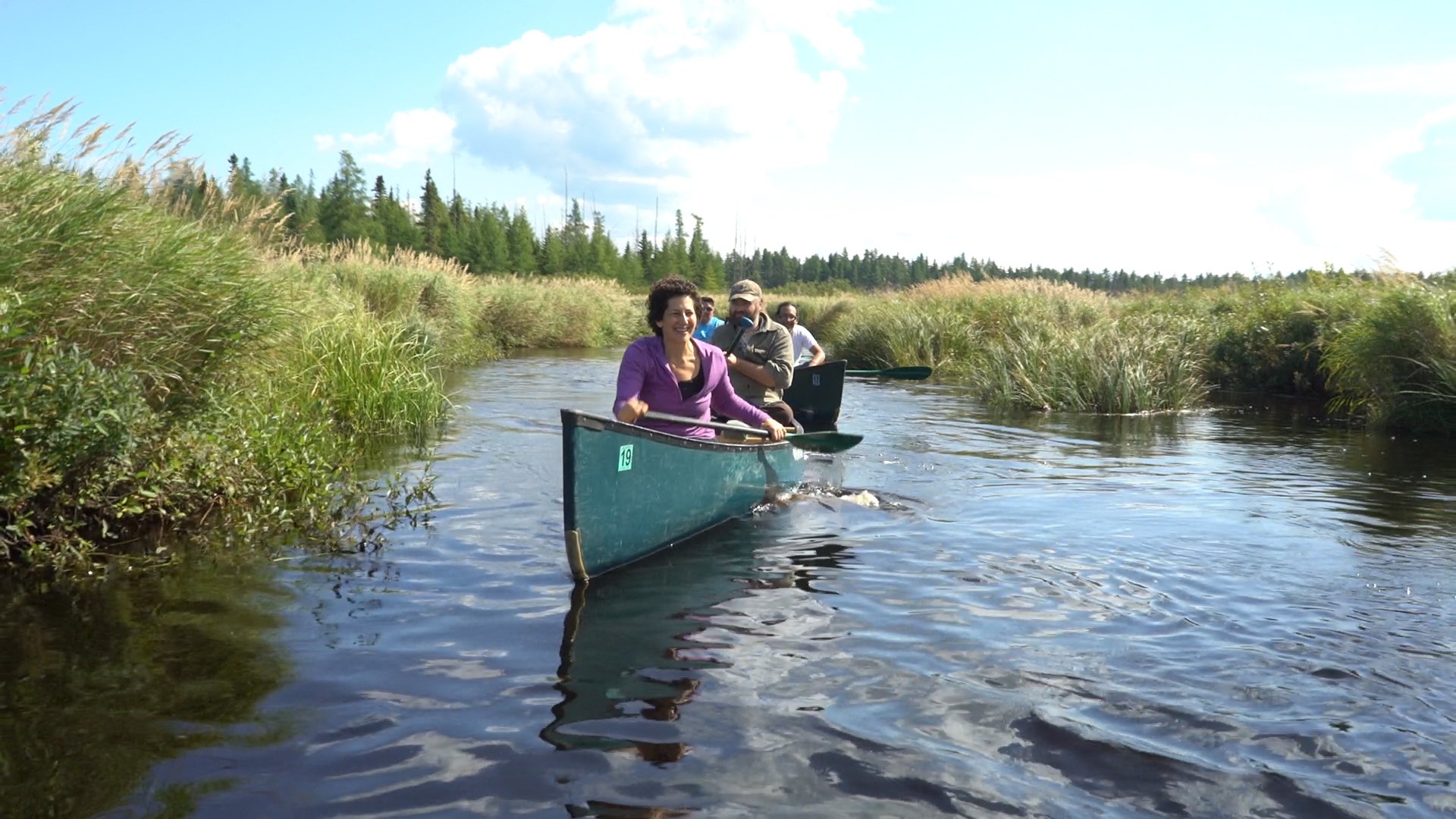
The PolyMet/Glencore copper-nickel sulfide mine is a dangerous project and a formidable adversary. This mine would be located in the headwaters of the St. Louis River, the largest U.S. tributary to Lake Superior, upstream of the Fond du Lac Reservation and Minnesota’s third largest city, Duluth. The PolyMet/Glencore mine would destroy more than 1,000 acres of wetlands¾the largest wetlands destruction ever approved in the history of our U.S. Army Corps region. The project would release sulfate and toxic metals into waters already impaired due to mercury, contaminating drinking water, decimating wild rice, and increasing toxic mercury contamination of fish. Unfortunately, the Minnesota Legislature has taken PolyMet’s side for more than a decade, sweeping away laws that would pose hurdles in permitting and spending millions in taxpayer funds for outside mining-industry lawyers to represent the agencies granting PolyMet permits.
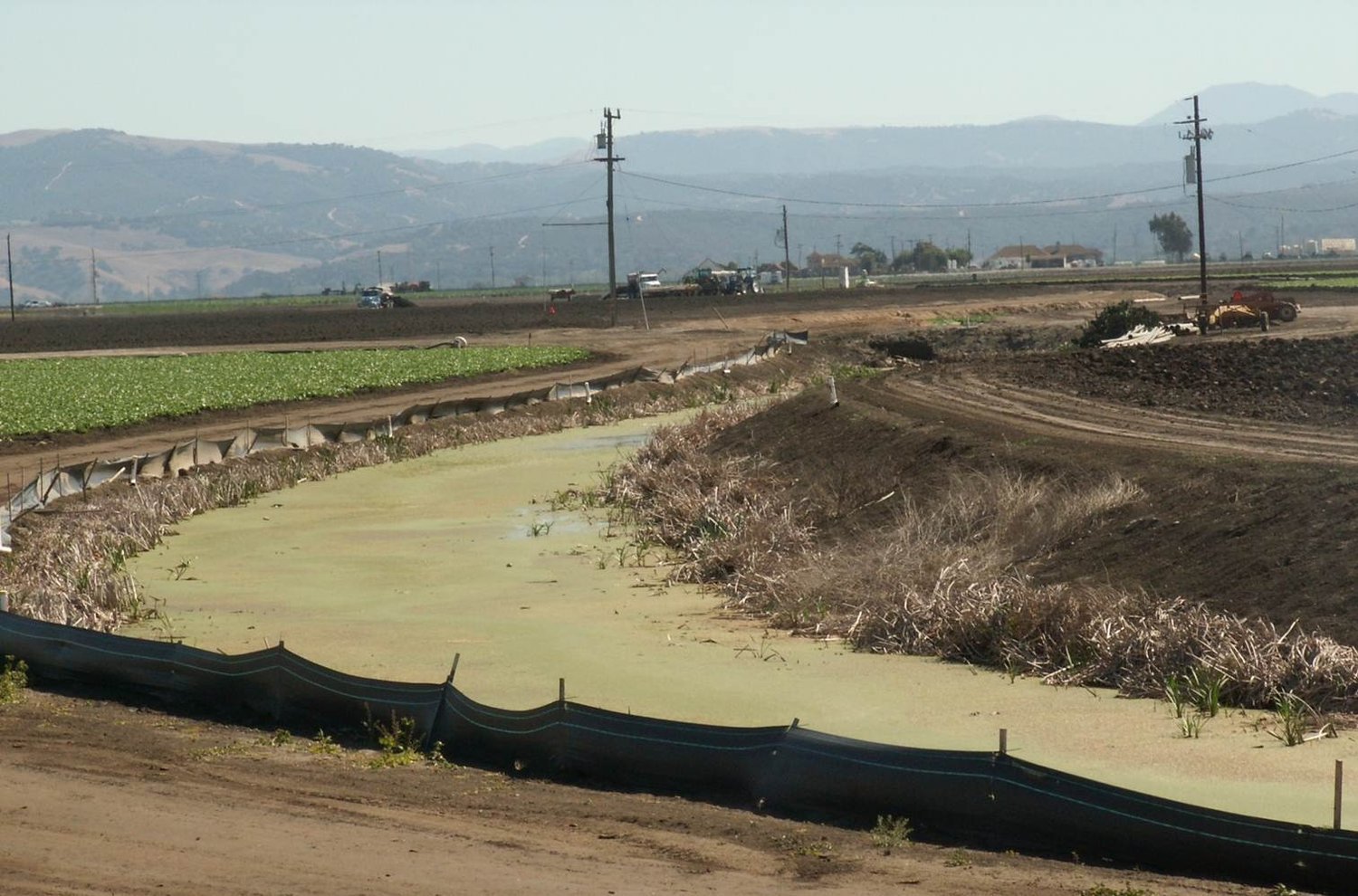
The Clean Water Project, which spanned our legal, training, and grantmaking programs, focused on bringing communities together to advocate for and gain access to potable water and on funding impact cases that address clean water issues faced by residents of unincorporated communities in the San Joaquin Valley in California. Although we have distributed all the Clean Water Project funds, the Impact Fund remains committed to funding environmental justice cases through our Just Earth program. We will continue to fund cases working to ensure that people’s right to clean water is protected.
In the three years since the creation of Just Earth , the need for funding for environmental justice has only increased. After receiving generous seed funding from the Mosaic collaborative, Just Earth is poised for the next chapter. As of today, Just Earth has awarded more than $500,000 by way of 26 recoverable grants. With each of our grants, we aim to effect positive change by funding environmental justice litigation: environmental cases that dually aim to empower and cultivate justice for Indigenous and other underserved communities. All too often, environmental racism and discrimination on the basis of class and race are linked with significant ecological harm.

The Houston Chronicle reported lower-income communities and communities of color are “most likely to feel the consequences of Houston’s long-running struggle with sewer overflows.” We identified thousands of illegal overflows that had occurred across the City’s massive sanitary sewer system and had polluted our local bayous and creeks, as well as neighborhood parks and school playgrounds. This led us to serve the City of Houston with a notice of intent to sue under the Clean Water Act.
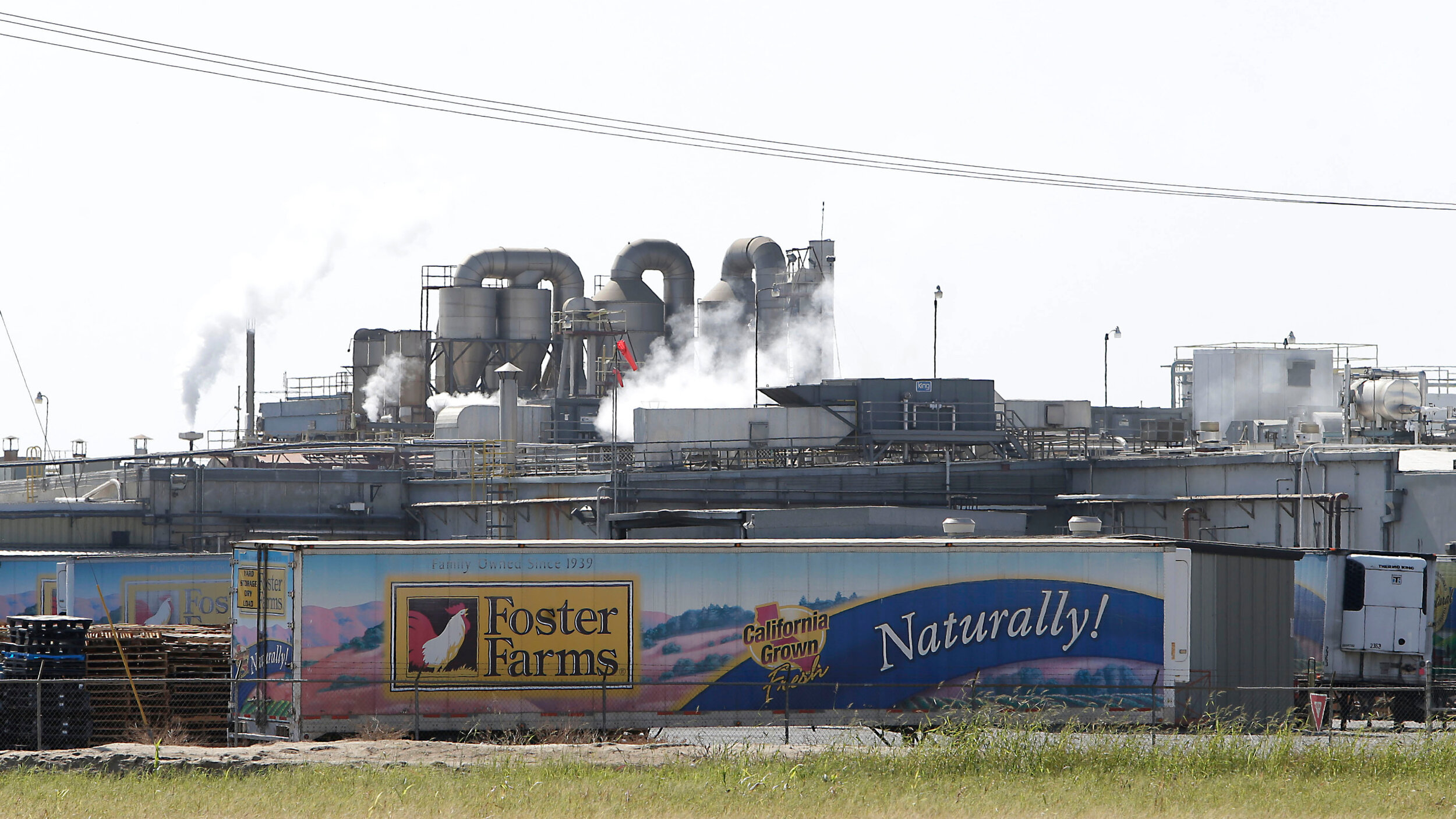
While residents face water shortages that adversely impact their quality of life, Foster Farms’ Livingston chicken slaughterhouse and processing plant use vast amounts of water for a particularly wasteful and inhumane method of slaughter that also results in diminished water quality in the region. The Impact Fund is standing up for Livingston residents by providing critical funding to the Animal Legal Defense Fund in support of its groundbreaking lawsuit challenging Foster Farms’ excessive water use. The lawsuit seeks to enjoin the company from using its current water-wasting slaughter method, based on a provision in the California Constitution that states that the right to water “shall not extend to the waste or unreasonable use or unreasonable method of use.”
The Minnesota Supreme Court’s decision to throw out PolyMet’s water pollution permit was a complete vindication of WaterLegacy’s work after many years of investigation and litigation, much of which was supported by the Impact Fund. The Minnesota Supreme Court not only reversed a major PolyMet permit, but also held that “secrecy is unacceptable.” The Court’s decision has already been cited several times, and we believe it will have important precedential value in Minnesota to protect clean water and regulatory integrity.